Oxide as an alternative to Proxmox VE
Key differences between Proxmox and Oxide
Subscription-based
One-time purchase, no subscription
Software that runs on OS
Vertically integrated rack with deep co-design between hardware and software
Low-cost, optional support options available per CPU socket per year (depending on tier) for software alone
One hand to shake for hardware and software across compute, storage, and networking
Security features only extend to the virtualization/management layer, not into the firmware/hardware
Hardware root of trust ensures attestation across service processor, host OS, virtual machines, network switches, and more
Open source software
Open source stack, verifiable from firmware to API
See a realistic comparison between your full operating model with Proxmox (including hardware, integration, upgrades, support, and migration) and a right-sized Oxide system.
What’s the difference between Proxmox VE and Oxide?
Proxmox VE is highly capable open source virtualization software that’s much beloved because of its unusually low, optional support costs and broad compatibility with a range of hardware and storage choices.
Oxide, meanwhile, provides a complete, vertically integrated Cloud Computer with deep co-design between hardware and software that you own outright, as one rack-scale product (including hardware, firmware, network, storage, security, and cloud control plane).
Which one is right for you?
When is Oxide the right choice?
Oxide offers a pre-configured and finished Cloud Computer that includes the physical platform, root of trust, firmware, host software, storage, networking, operator interfaces, and a cloud resource model built into the rack (projects, silos, VPCs, instances, block storage, quotas, metrics, SDKs, CLI, and Terraform).
Consider Oxide if you:
- Are interested in open foundations and ready for rack-scale capacity
- Want fewer integration headaches
- Want synchronous updates across the entire system
- Want no support handoffs between multiple vendors
- Prefer an ownership model to a subscription model
When is Proxmox VE the right choice?
Consider Proxmox VE if you:
- Need enterprise features like documented REST API access, paid support options, high availability, live migration, automation, multi-master administration, and mature storage options
- Are curious about LXC
- Want to select and integrate every layer of the stack yourself (Proxmox VE provides only the virtualization and management layer)
Predictable economics
Hardware purchased outright with open source software. No surprise consumption bills or software subscription renewals.

One hand to shake
One Oxide team supports the whole stack, from firmware to control plane. No finger-pointing between vendors.
Verifiable infrastructure
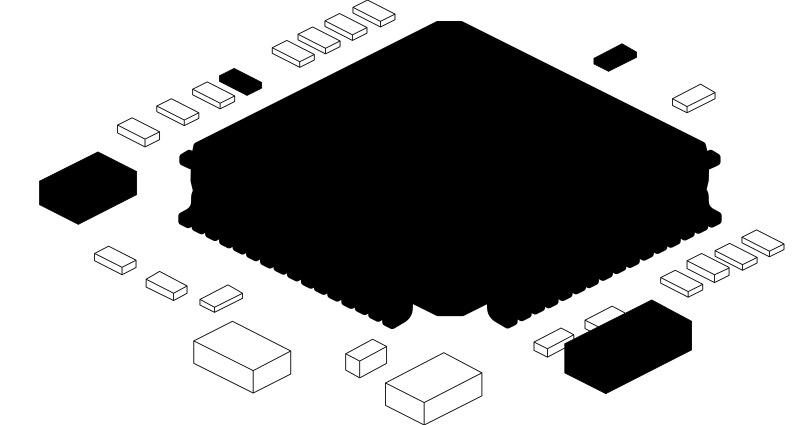
Hardware root of trust with open source firmware. Every layer is verified from silicon up.
Your cloud tools, your infrastructure
Terraform, Kubernetes, and your existing automation: first-class, supported integrations, no lock-in.


Plus broad compatibility
Standard VMs mean your existing software runs without modification
 Pulumi
 Prometheus
 Grafana
 GitHub Actions
 GitLab CI